
Can Foreigners Buy Property in Phuket?
Yes. Foreigners can acquire certain types of property in Phuket, but the ownership structure matters.
The clearest form of direct ownership available to many foreign buyers is a condominium unit that qualifies for foreign freehold ownership. Under Thailand’s condominium framework, foreign ownership within a registered condominium is subject to a statutory foreign ownership quota.
Land ownership is considerably more restricted. Foreign buyers considering villas or other landed property therefore need to understand separately the ownership of the land, the building and any lease or other legal rights attached to the property.
The appropriate structure depends on the property itself and the buyer’s circumstances, so ownership should be verified before a reservation or purchase agreement is signed.

1. Foreign Freehold Condominium Ownership
A foreign buyer may be able to own a condominium unit directly in their own name when the property meets the legal requirements for foreign ownership.
One of the most important checks is the condominium’s foreign ownership quota. Foreign ownership may not exceed 49% of the total unit area of the registered condominium, and documentation confirming the available foreign quota is required as part of the ownership-transfer process.
Buyers should therefore verify not only that a development is marketed as a condominium, but also that the specific unit can legally be transferred under the intended ownership structure.
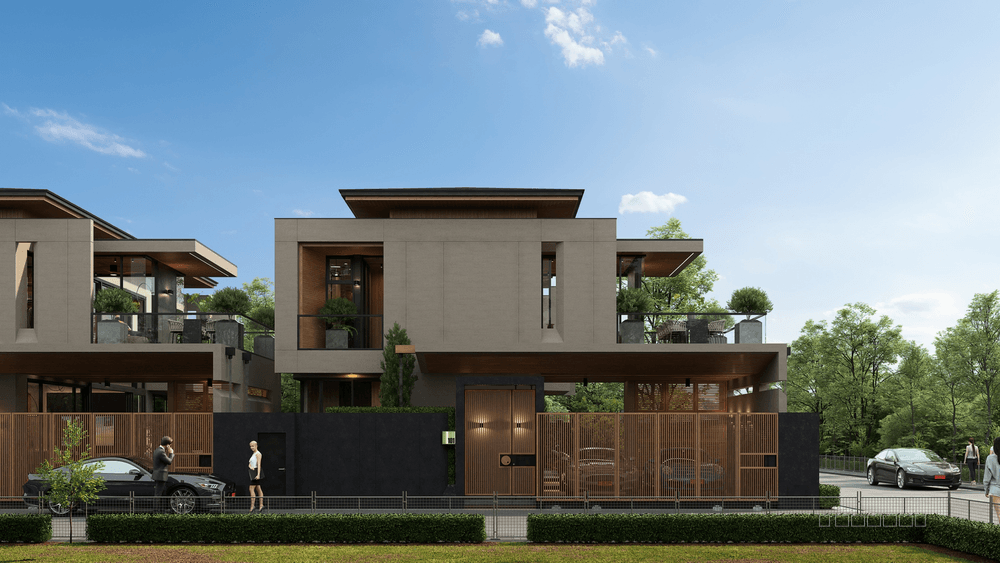
2. Buying a Villa or Landed Property
Villas require a different analysis because ownership of a building and ownership of the land beneath it are separate legal considerations in Thailand.
As a general rule, foreigners cannot directly own land in Thailand, subject to limited statutory exceptions. Thailand’s Department of Lands maintains specific procedures governing land acquisition by foreigners.
Before buying a villa, buyers should establish exactly what rights are being acquired, who owns the land, how those rights are documented and what happens when the relevant term or agreement ends.
3. Freehold vs Leasehold
“Freehold” and “leasehold” should not be treated simply as marketing labels.
Freehold generally refers to ownership registered in the buyer’s name where the law permits it. Leasehold provides a contractual right to use or possess property for an agreed period rather than ownership of the underlying land.
Buyers should review the registered lease term, renewal provisions, transfer and inheritance provisions, registration requirements and the identity of the landowner rather than relying only on advertised descriptions.
Ready to take the next step?
Our team is here to help you navigate the process with confidence.
Important: This guide provides general information about buying property in Phuket and is not legal, tax or financial advice. Property ownership, eligibility and transaction requirements can vary according to the buyer, property and circumstances. Buyers should obtain independent legal advice and verify the applicable ownership structure, title and contractual terms before entering into a transaction.